
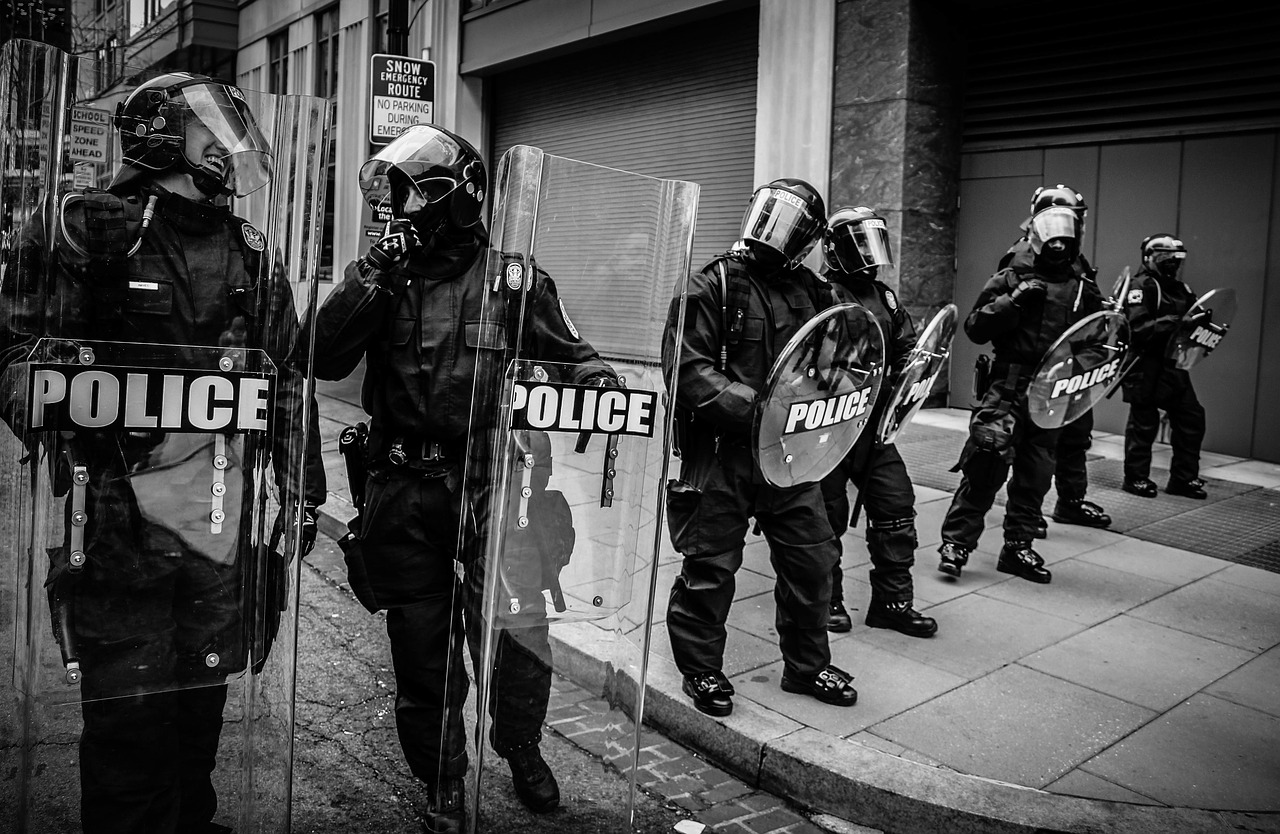
Police departments across the United States are entrusted with protecting the public, upholding the law, and ensuring community safety. However, when police officers abuse their power or act outside the bounds of the law, victims have the right to seek justice. One of the most effective ways to hold law enforcement accountable is by working with lawyers who sue police departments. These attorneys specialize in civil rights law and help victims of police misconduct file lawsuits against individual officers, departments, and municipalities.
In this article, we’ll explore the legal foundations of suing police departments, what to look for in a civil rights attorney, how the process works, and examples of successful cases.
Understanding Police Misconduct and Civil Rights Violations
Police misconduct refers to illegal or unethical actions carried out by law enforcement officers. Common examples include:
- Excessive force or police brutality
- Wrongful arrest or imprisonment
- Racial profiling
- Sexual assault or harassment
- Failure to provide medical care
- Retaliation against whistleblowers
These actions may violate constitutional protections, particularly under the Fourth Amendment (unreasonable searches and seizures), Eighth Amendment (cruel and unusual punishment), and Fourteenth Amendment (equal protection under the law).
Under Section 1983 of the U.S. Code (42 U.S.C. § 1983), individuals can file civil lawsuits against government officials, including police officers, who violate their federally protected rights under the “color of law.”
What Do Lawyers Who Sue Police Departments Do?
Attorneys who take on police misconduct cases typically specialize in civil rights litigation, personal injury, or constitutional law. Their role includes:
- Evaluating claims: Reviewing the facts, videos, reports, and witness statements to determine if a viable case exists.
- Filing lawsuits: Drafting and submitting legal complaints against officers, departments, or municipalities.
- Negotiating settlements: Often, these cases are resolved without trial through financial settlements.
- Litigating in court: When necessary, these attorneys represent clients through trial and appeals processes.
Their ultimate goal is to secure compensation for victims and hold law enforcement accountable for misconduct.
High-Profile Cases and Settlements
- George Floyd Case – Minneapolis, MN
- The family of George Floyd reached a $27 million settlement with the City of Minneapolis in 2021 after he was killed by police officer Derek Chauvin. The case sparked nationwide protests and prompted significant reforms.
- Breonna Taylor – Louisville, KY
- The city of Louisville agreed to a $12 million settlement with Breonna Taylor’s family in a wrongful death lawsuit after she was fatally shot by police executing a no-knock warrant.
- Abner Louima – New York, NY
- In one of the most egregious cases of police brutality, Louima won a $8.75 million settlement in 2001 after being sexually assaulted by NYPD officers in a precinct bathroom.
These cases illustrate the importance of experienced legal representation in seeking justice against police departments.
How to Find the Right Lawyer
If you or a loved one has suffered from police misconduct, it’s crucial to hire a lawyer with experience and a proven track record. Here are some tips for finding a qualified attorney:
1. Look for Civil Rights Specialists
Choose attorneys who specifically list police misconduct or civil rights under their practice areas. Firms like The Cochran Firm, Romanucci & Blandin, and Ben Crump Law are nationally recognized for such cases.
2. Check Legal Directories and Bar Associations
Use platforms like:
These sites offer reviews, disciplinary records, and contact info for attorneys across the U.S.
3. Request Free Consultations
Many civil rights lawyers offer free case evaluations. Use this time to ask about:
- Case experience
- Previous outcomes
- Legal fees (many work on a contingency basis)
Legal Hurdles in Suing Police Departments
While victims have a right to seek justice, suing police departments comes with challenges:
1. Qualified Immunity
Officers are often protected by “qualified immunity,” a legal doctrine shielding them from personal liability unless they violated “clearly established” law.
2. Government Immunity
Municipalities and departments may also have partial immunity. However, many jurisdictions allow lawsuits if gross negligence or a pattern of abuse is proven.
3. Short Filing Deadlines
Many states have tight statutes of limitations, sometimes as short as six months, especially when suing a government entity. Swift legal action is essential.
What Damages Can Be Recovered?
Victims of police misconduct may be entitled to:
- Medical expenses
- Lost wages
- Pain and suffering
- Punitive damages
- Legal fees
In some cases, lawsuits can also result in policy changes or court-ordered oversight of police departments.
Resources and Support Organizations
Several national and local organizations assist victims in connecting with lawyers or understanding their rights:
- American Civil Liberties Union (ACLU) – https://www.aclu.org/
- NAACP Legal Defense Fund – https://www.naacpldf.org/
- National Police Accountability Project (NPAP) – https://www.nlg-npap.org/
These organizations often help victims obtain legal representation and push for systemic reform.
Final Thoughts
Holding police accountable through civil litigation is a vital tool in protecting civil liberties. While the legal system presents hurdles, lawyers who sue police departments play a critical role in pursuing justice for victims of abuse, misconduct, and discrimination.
If you believe your rights have been violated, don’t wait. Contact an experienced civil rights attorney and explore your legal options. Lawsuits not only provide financial redress—they can also force much-needed reforms in policing practices. Thank you for reading
References
- U.S. Code: 42 U.S.C. § 1983 – Civil action for deprivation of rights. https://www.law.cornell.edu/uscode/text/42/1983
- ACLU on Police Practices: https://www.aclu.org/issues/criminal-law-reform/reforming-police
- National Police Accountability Project: https://www.nlg-npap.org/
- George Floyd settlement: NPR. https://www.npr.org/2021/03/12/976053686/george-floyds-family-to-receive-27m-settlement-from-minneapolis
- Breonna Taylor case: NYT. https://www.nytimes.com/2020/09/15/us/breonna-taylor-settlement.html
You May Also Like:
- Famous Muslim Lawyers in the USA: Champions of Justice and Civil Rights
- Top 5 Female Divorce Lawyers Near Me: Expertise, Empathy, and Excellence
- Top Will and Testament Lawyer Near Me (USA-Based): Valid Will
- Top 5 Traffic Ticket Lawyer in St Louis: Read This Before Hiring
- Accessing Pro Bono Family Lawyers Indiana: All You Need To Know
