
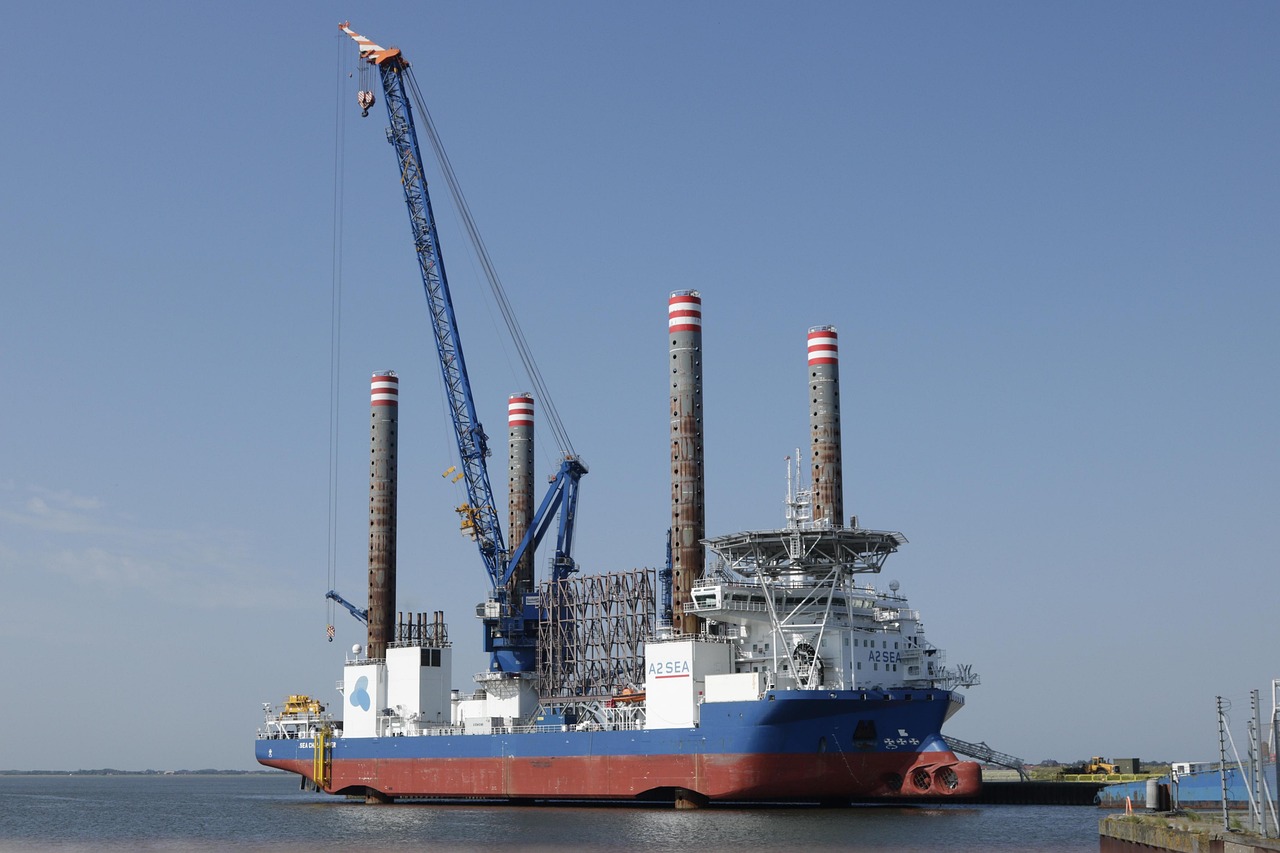
Maritime work is inherently dangerous, with offshore workers facing hazards that can lead to serious injuries or even fatalities. If you or a loved one has been involved in an offshore accident, securing the right legal representation is essential to obtaining fair compensation. Navigating the complex web of maritime laws requires the expertise of an offshore accident lawyer who understands the industry and legal nuances. This guide will help you identify and choose the best legal advocate for your case.
Understanding Offshore Accidents and Maritime Law
Offshore accidents can occur in various maritime settings, including oil rigs, cargo ships, fishing vessels, and docks. These incidents may be caused by hazardous working conditions, equipment failure, or employer negligence. Unlike standard workplace injuries, offshore accidents fall under specific maritime laws, such as:
- The Jones Act – Provides legal protection for injured seamen and allows them to sue their employers for negligence.
- The Longshore and Harbor Workers’ Compensation Act (LHWCA) – Covers dock workers and maritime employees not classified as seamen.
- The Death on the High Seas Act (DOHSA) – Allows families to seek compensation for wrongful death due to offshore accidents.
- General Maritime Law – Includes legal doctrines such as maintenance and cure, ensuring injured workers receive medical care and living expenses.
A qualified offshore accident lawyer will have experience handling claims under these laws and will know how to build a strong case.
1. Look for a Lawyer with Maritime Law Expertise
Unlike general personal injury cases, offshore accident claims require a deep understanding of maritime law. When choosing a lawyer, consider:
- Their track record in handling offshore and maritime injury cases.
- Their familiarity with maritime industry regulations.
- Their ability to interpret and apply laws like the Jones Act and LHWCA.
2. Evaluate Their Experience and Success Rate
A lawyer’s past performance is a strong indicator of their ability to secure favorable outcomes. Look for:
- Case results, including settlements and verdicts won for offshore workers.
- Client testimonials highlighting successful claims.
- Their ability to handle complex negotiations with large maritime corporations and insurance companies.
3. Assess Their Resources and Legal Strategy
Maritime accident cases often require extensive investigation and expert testimony. Your lawyer should have access to:
- Maritime safety experts to evaluate working conditions.
- Medical professionals to assess injury severity.
- Accident reconstruction specialists to determine liability.
- Industry insiders who can provide testimony on safety violations.
4. Ensure They Offer a Contingency Fee Structure
Most reputable offshore accident lawyers work on a contingency fee basis, meaning they only get paid if they win your case. Before hiring an attorney, confirm:
- Their percentage fee from your settlement or court award.
- Whether there are any upfront costs or hidden fees.
- If they provide free consultations to assess your claim.
5. Verify Their Ability to Handle Insurance Companies
Maritime employers and insurance companies often attempt to minimize claims or deny liability. A skilled offshore accident lawyer should:
- Be experienced in negotiating fair settlements with insurers.
- Be prepared to take cases to court if necessary.
- Understand the tactics used by employers to limit their financial responsibility.
6. Check Their Reputation and Client Reviews
Client testimonials and online reviews can offer valuable insights into an attorney’s professionalism and effectiveness. Research:
- Google, Avvo, and Martindale-Hubbell ratings.
- Client feedback on communication and case handling.
- Any disciplinary actions or complaints filed against the attorney.
7. Ask the Right Questions During Your Consultation
Before hiring an offshore accident lawyer, schedule a consultation and ask:
- How many maritime cases have you handled?
- What is your success rate in securing compensation for offshore workers?
- What challenges do you foresee in my case?
- Will you handle my case personally or delegate it to junior associates?
8. Choose a Lawyer Familiar with Local and Federal Maritime Courts
Since maritime law cases may involve both state and federal jurisdictions, it’s important to select a lawyer with experience litigating in:
- U.S. District Courts handling maritime cases.
- State courts where additional claims may be filed.
- International courts if the case involves offshore work beyond U.S. waters.
9. Understand the Compensation You May Be Entitled To
A competent offshore accident lawyer will ensure you receive compensation for:
- Medical expenses – Coverage for surgeries, hospital stays, rehabilitation, and future medical costs.
- Lost wages – Reimbursement for lost income and diminished earning capacity.
- Pain and suffering – Compensation for physical and emotional distress caused by the accident.
- Wrongful death benefits – Support for families who lost a loved one in an offshore accident.
- Punitive damages – If employer negligence or recklessness is proven, additional damages may be awarded.
Conclusion
Finding the best offshore accident lawyer can make a significant difference in your claim’s outcome. By prioritizing experience, legal knowledge, client reviews, and resources, you can ensure that you receive the best possible representation. If you need more information on maritime law and legal resources, visit Spy Africa TV.
References
- U.S. Department of Labor: https://www.dol.gov
- National Transportation Safety Board (NTSB): https://www.ntsb.gov
- American Bar Association: https://www.americanbar.org
- Maritime Law Association of the United States: https://www.mlaus.org
