
Here’s a rewritten version of the article with a human touch to help it rank on Google:
Unlocking the Full Potential of Your Scholarship: A Financial Planning Guide
Winning a scholarship is a significant achievement, offering a crucial lifeline to help alleviate the financial burden of college education. However, securing the scholarship is just the beginning. Effective financial planning is essential to maximize your funding, ensure a successful college experience, and make the most of this incredible opportunity.
Understanding the Fine Print: Scholarship Details Matter
Before you start planning, it’s crucial to grasp the specifics of your scholarship. Review the documentation carefully, paying attention to:
-
The amount awarded and what expenses it covers (tuition, fees, books, living expenses)
-
The disbursement schedule (when and how funds are released)
-
Conditions and requirements (maintaining a certain GPA, completing community service hours)
A clear understanding of these details will help you plan your finances more effectively and avoid potential pitfalls.
Creating a Realistic Budget: A Roadmap to Financial Stability
Developing a comprehensive budget is vital for managing your finances throughout college. Start by listing all potential expenses, including:
-
Tuition and fees
-
Books and supplies
-
Living expenses (rent, utilities, groceries, transportation, personal expenses)
-
Miscellaneous costs (health insurance, extracurricular activities, travel)
Compare your expenses against your scholarship amount and other financial resources. This will help you identify potential shortfalls and areas where you may need to cut back.
Diversifying Your Funding Sources: Exploring Additional Options
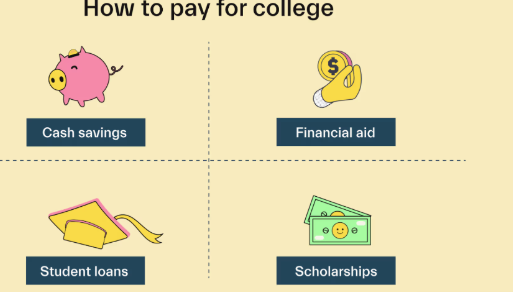
While scholarships can cover a significant portion of your expenses, they may not cover everything. Consider exploring additional funding sources to fill any gaps in your budget:
-
Grants (federal or state)
-
Part-time work (on-campus jobs with flexible schedules)
-
Student loans (federal loans with favorable terms)
By diversifying your funding sources, you can create a more stable financial foundation for your college experience.
Tracking Your Expenses: Staying on Top of Your Finances
Once you start college, it’s essential to monitor your spending. Use budgeting apps or spreadsheets to track your expenses against your budget. Regularly reviewing your spending habits will help you stay on track and make adjustments as needed.
Planning for the Unexpected: Building an Emergency Fund
College life can be unpredictable, and unexpected expenses may arise. Consider setting aside a small portion of your scholarship funds or earnings from part-time work into an emergency fund. This fund can serve as a safety net for unforeseen expenses and help prevent financial stress during challenging times.
Communicating with Your Financial Aid Office: A Vital Support System
If you encounter any financial challenges during college, don’t hesitate to reach out to your school’s financial aid office. They can provide guidance on managing funds, applying for additional aid, and understanding how changes in your financial situation might affect your scholarships.
Conclusion
Preparing financially for college after winning a scholarship requires careful planning, proactive management, and a willingness to adapt. By understanding your scholarship details, creating a realistic budget, exploring additional funding sources, tracking expenses, planning for unexpected costs, and communicating with your financial aid office, you can unlock the full potential of your scholarship and set yourself up for success.

1 Comment
Nice share!