
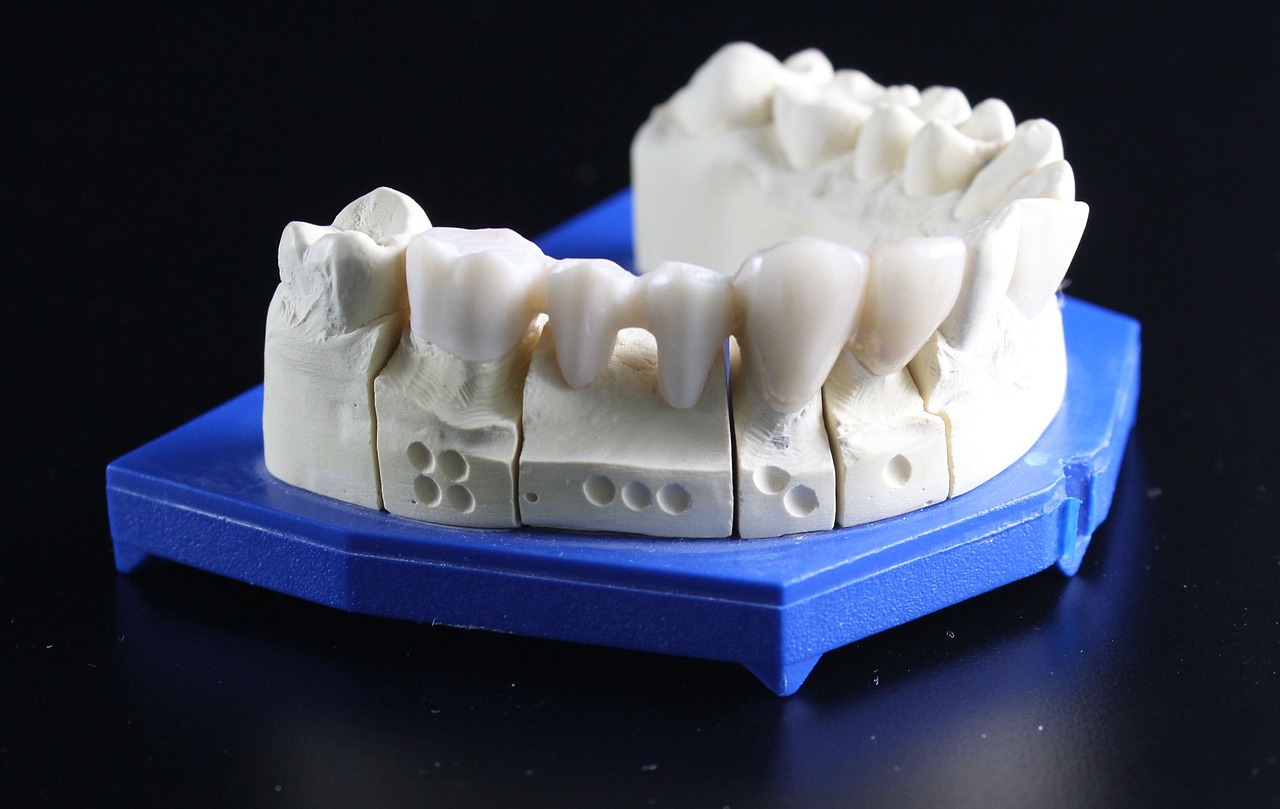
Wisdom teeth removal is a common dental procedure, often necessary to prevent pain, infection, and overcrowding. However, the cost of this surgery can be expensive, especially for those without dental insurance. Finding the best insurance for wisdom teeth removal can help reduce out-of-pocket expenses and ensure you receive the necessary care. In this guide, we explore the top insurance options, coverage details, and tips for choosing the right plan.
Why You Need Insurance for Wisdom Teeth Removal
Wisdom teeth extractions can range from simple removals to complex surgical procedures requiring anesthesia. Without insurance, the costs can be significant:
- Simple extraction: $75 – $300 per tooth
- Surgical extraction (impacted wisdom teeth): $225 – $1,100 per tooth
- General anesthesia: $200 – $600 per session
Having a dental insurance plan that covers wisdom teeth removal can help offset these expenses and ensure timely treatment.
Best Insurance Providers for Wisdom Teeth Removal
1. Delta Dental
- Covers wisdom teeth extractions under basic or major dental services.
- Offers PPO and HMO plans with varying coverage levels.
- No waiting period for certain plans.
2. Cigna Dental
- Covers up to 50-80% of wisdom teeth removal costs.
- Provides a large network of dental professionals.
- Offers plans with no deductibles and annual maximums up to $1,500.
3. Aetna Dental
- Offers PPO and HMO plans with competitive pricing.
- Covers extractions and anesthesia under major dental services.
- May require a waiting period for major procedures.
4. Guardian Dental
- Covers surgical extractions at 50-70% after the deductible.
- Includes anesthesia coverage for impacted wisdom teeth.
- Offers multiple plan options with different coverage levels.
5. MetLife Dental
- Covers wisdom teeth removal under major dental procedures.
- PPO plans offer a large network and reduced out-of-pocket costs.
- Some plans cover a portion of anesthesia costs.
Factors Affecting Wisdom Teeth Removal Coverage
1. Type of Extraction
Simple extractions are often covered at a higher percentage than surgical removals.
2. In-Network vs. Out-of-Network Providers
Choosing an in-network dentist can significantly reduce costs.
3. Waiting Periods
Some dental plans require a waiting period of 6-12 months before covering major procedures.
4. Annual Maximums
Many dental plans have an annual maximum benefit amount, usually ranging from $1,000 to $2,000.
5. Deductibles and Copayments
Higher deductibles mean more out-of-pocket costs before insurance kicks in.
How to Save on Wisdom Teeth Removal
1. Choose an In-Network Dentist
Using an in-network provider can save you up to 30-50% on your procedure.
2. Consider a Dental Discount Plan
These plans provide discounted rates without the limitations of traditional insurance.
3. Ask About Payment Plans
Many dental offices offer financing options to spread out costs.
4. Utilize an HSA or FSA
Health Savings Accounts (HSA) and Flexible Spending Accounts (FSA) can help cover out-of-pocket expenses tax-free.
Choosing the Right Insurance Plan
1. Compare Coverage Levels
Look for plans that cover a high percentage of surgical extractions and anesthesia.
2. Check Waiting Periods
If you need immediate surgery, choose a plan with no or minimal waiting periods.
3. Review Annual Maximums
Ensure the plan’s coverage limit is sufficient to cover your procedure costs.
4. Consider Premium Costs
Balance monthly premiums with out-of-pocket costs for the best financial option.
Final Thoughts
Selecting the best insurance for wisdom teeth removal ensures you receive the care you need without overwhelming costs. By comparing plans, understanding coverage details, and utilizing savings options, you can minimize expenses and focus on your dental health.
For more expert insights on health and dental insurance, visit SpyAfricaTV, where we provide in-depth reviews and comparisons of top insurance options.
References
- Delta Dental. (2024). “Understanding Dental Coverage for Wisdom Teeth Removal.” Retrieved from https://www.deltadental.com
- Cigna Dental. (2024). “Dental Insurance Plans Explained.” Retrieved from https://www.cigna.com
- Aetna. (2024). “Major Dental Services Coverage.” Retrieved from https://www.aetna.com
